
Review: Destiny 2
Completing the campaign can last anywhere between 6-8 hours, and that time is mostly filled with well-written and varied missions. Sure, some cookie-cutter missions are just there to pad out the length, but for the majority of missions, there’s more than enough context and agency to keep players going. One mission you may be driving a vehicle, in another you’re escorting a valuable object and then you may be teleporting around areas to save a friend. There’s a lot more variety on display in Destiny 2’s missions.
It’s been nearly three years since Bungie and Activision first brought us into the world of Destiny . The 2014 first-person loot shooter with MMO-lite mechanics strived to be the next big thing, but was ultimately disappointing. A lack of content, a thrown together campaign and repetitive missions marred what was supposed to be the next big Activision IP. Though Bungie got their act together and released the stellar Taken King and OK Rise of Iron expansions, neither felt like the proper leap forward the franchise needed. Well, now we have Destiny 2, a new chance for Bungie to hit the reset button.
There’s no real choices and trade-offs to be made anymore. The same goes for the rest of the game. The in-depth and often rewarding dialogue trees are gone, replaced with options that boil down to whether or not the player character is going to be either nice or sarcastic nice. There are no karma checks, no skill checks, no special checks, nor even long and interesting conversations to be had. Dialogue might as well just be there because previous Fallout games had it. The list could go on, but is perhaps better saved for another time. As it stands,Fallout 4 has gained massive mainstream success. It just had to become a different game in order to get it; a game that’s much more a shooter with RPG elements than it is an RPG with shooter elements. It became a game one that fans of the old Fallout games have grown to hate and possibly a series that RPG fans in may no longer care about in the future. Taken on it’s own It’s a decent game, but one that has nonetheless been compromised for the sake of short-term sales. The same is true of Dead Space 3.
Finally, we were able to sneak in a match of Countdown, a new multiplayer mode in Destiny 2. The mode is essentially Search & Destroy. One team is tasked with planting a bomb, and the other is tasked with defusing it. If an entire team is eliminated, however, the round ends. The first team to win six rounds is the victor. It’s a neat mode for those who like these types of multiplayer modes. For those who don’t like it, modes like Clash will return. Unlike Destiny, however, all multiplayer modes will only support eight players, down from twelve.
At the moment, there’s probably no finer example of this than Destiny 2 . Among the many problems afflicting it, the most basic is probably the fact that, at its core, the game is a compromise. It’s a watered-down version of what made the original Destiny enjoyable, done for the sake of attracting a more casual audience. Annoying grind or not, Destiny 1 was more about the hunt than it was the acquisition. Rather, it might be better to say that the hunt was what made the acquisition fun. The hunt took commitment though. Gathering exotic, raid and perfectly-rolled gear took time. It took patience. It meant throwing oneself into the grind until they finally earned the prize they sought. The lack of content variety was certainly annoying, but the way Destiny was set up made the effort feel rewarding all the same. Not everyone enjoys this sort of game though. It’s not as easy to drop in and play as, say, Call of Duty or Halo 5. This is what Bungie «fixed» in Destiny 2. Now, the hunt is basically gone. Every piece of gear one can get is exactly the same as everyone else’s. «Rare» loot can be earned by literally doing nothing, exotics no longer feel special and character builds are practically nonexistent. It’s much easier to jump in as a new or casual player, but why should they bother? In its pursuit of the casual audience, Destiny 2 wound up sacrificing the very thing that made the original fun engage in: the actual hunt and effort required to obtain rare loot. Destiny 2 isn’t the only game to suffer in this way though. Just look at Fallout 4 or even Dead Space 3.
The action continues after a short cutscene (yes, there are cutscenes in missions now). We’ve boarded the Cabal capital ship and need to take down the shields. The level ended in the shield generator room where we were introduced to Destiny 2’s main antagonist, Ghaul. Large and menacing, Bungie claims that he’s a more complex villain than, say, Oryx, but he didn’t come across that way in the demo. Hopefully, we’ll see another side of him in the main game.
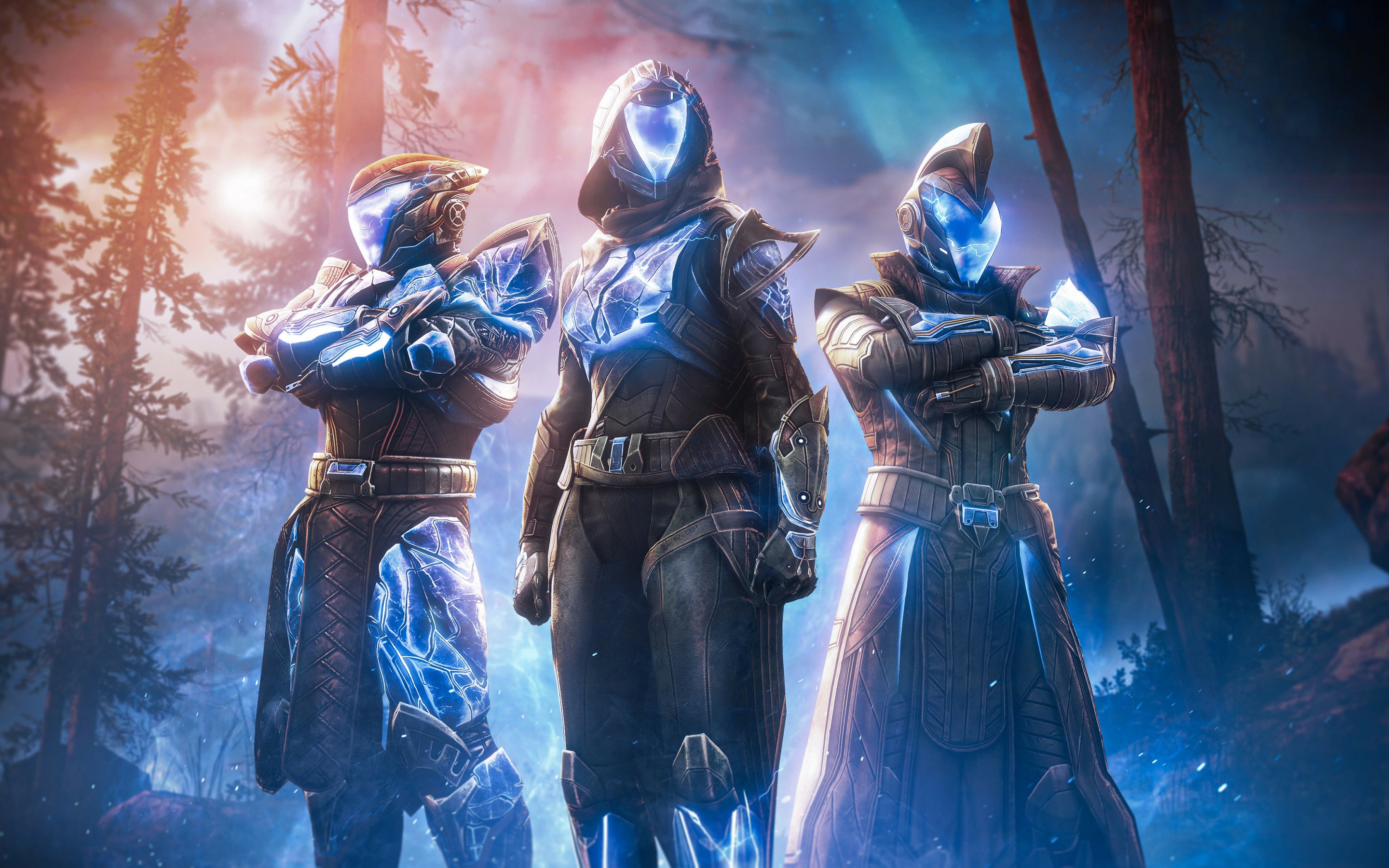 With these sorts of compromises becoming commonplace, it’s no wonder that there are many gamers out there who’ve become afraid of the casual audience. More and more often they’re seeing niche series they enjoy getting compromised and simplified for the sake of attracting the casual player. Are they right to vilify the casual audience? No, absolutely not . Like it or not, Desert Perpetual Checkpoint the casual audience is vital to gaming’s survival and it’s not the their fault that publishers are trying to get their attention. Instead of insulting and ridiculing casual players, hardcore fans should be trying to bring them into the fold. In fact, publishers and developers should be trying to do the same thing. Major departures like Fallout 4 and Dead Space 3 would better serve their creators and IP as side-games rather than mainline series entries. If a given publisher’s goal really is to expand a series’ player base, then use these sorts of games to attract people that can actually be converted into fans rather than simply going for the easy sale. They should be trying to create long-term customers rather than simply attract short-term guests. There is still great value to be found and lots of money to be made in the various genre niches. Their fans are passionate and are willing to support honest effort if it means getting more of what they love. It’s just a matter of respecting them and the series they love when trying to increase their ranks.