
Why did US and Israel attack Iran and how long could the war last?
The question dominating global headlines right now is simple but deeply complex: Why did the United States and Israel attack Iran—and how long could this war actually last?
This conflict, which escalated dramatically in early 2026, is not a sudden घटना. It is the result of decades of geopolitical tension, nuclear fears, regional proxy wars, uk news24x7 and shifting global alliances. What we are witnessing is the culmination of long-standing rivalries—now unfolding into a direct and dangerous confrontation with global consequences.
🔥 What Triggered the US and Israel Attack on Iran?
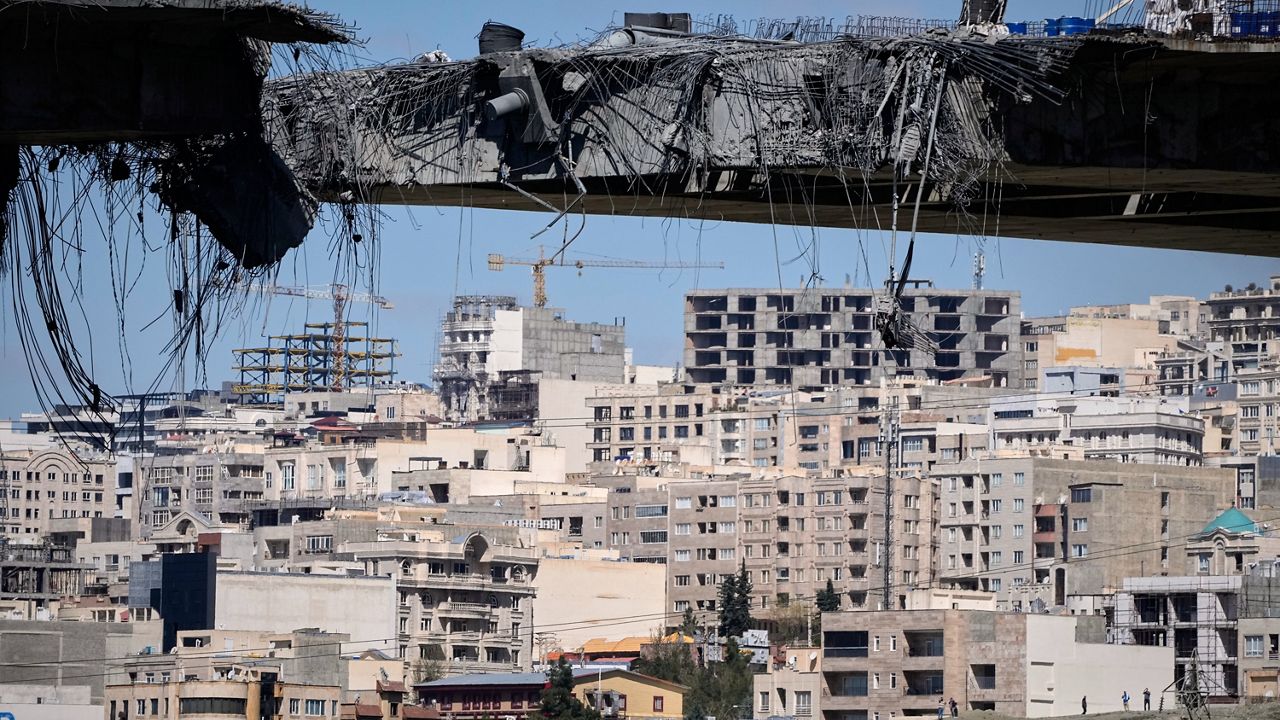


1. Iran’s Nuclear Program: The Core Flashpoint
At the heart of the conflict lies Iran’s nuclear ambitions.The US and Israel have long feared that Iran could develop nuclear weapons—even though experts noted that Iran had not yet reached that capability.
Israel, in particular, considers a nuclear-armed Iran an existential threat. This is why Iran’s nuclear facilities became primary targets in the opening phase of the war.
👉 The logic:
- Prevent Iran from becoming a nuclear power
- Maintain military superiority in the Middle East
- Avoid a regional nuclear arms race
However, critics argue the attack was «preemptive rather than defensive», raising legal and ethical concerns.
2. Strategic Goal: Weakening or Toppling the Iranian Regime
Beyond nuclear concerns, analysts say the deeper goal is regime change.
Experts suggest that Israel expanded its objectives to include destabilizing Iran’s leadership entirely.
This explains:
- Targeted assassinations of top Iranian figures
- Cyber operations and intelligence-led strikes
- Attacks on command structures and military leadership
Recent reports indicate that over 250 high-level figures have been targeted, including top leadership.
But here’s the problem:
➡️ Instead of collapsing, Iran’s leadership has become more hardline and unified.
3. Iran’s Regional Influence and Proxy Network
Iran isn’t just a country—it’s a regional power hub.
It supports groups like:
- Hezbollah (Lebanon)
- Militias in Iraq
- Houthis in Yemen
These groups create a network of influence across the Middle East.
The US and Israel see this as a major threat:
- It challenges US influence
- It threatens Israel’s borders
- It destabilizes Gulf allies
This is why the war isn’t confined to Iran—it’s spreading across the region.
👉 For example:
- Houthi forces have already launched attacks linked to the conflict.
4. Control of Global Energy Routes


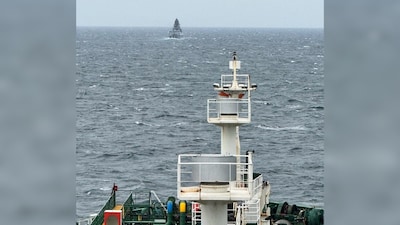
The Strait of Hormuz is one of the most important chokepoints in the world.
- Roughly 20% of global oil passes through it
- Iran has threatened to block it
- Oil prices surge whenever tensions rise
Iran has already used this leverage, disrupting global energy markets.
👉 For the US and its allies:
- Keeping oil flowing = economic stability
- Losing control = global recession risk
This makes the conflict not just regional—but global.